


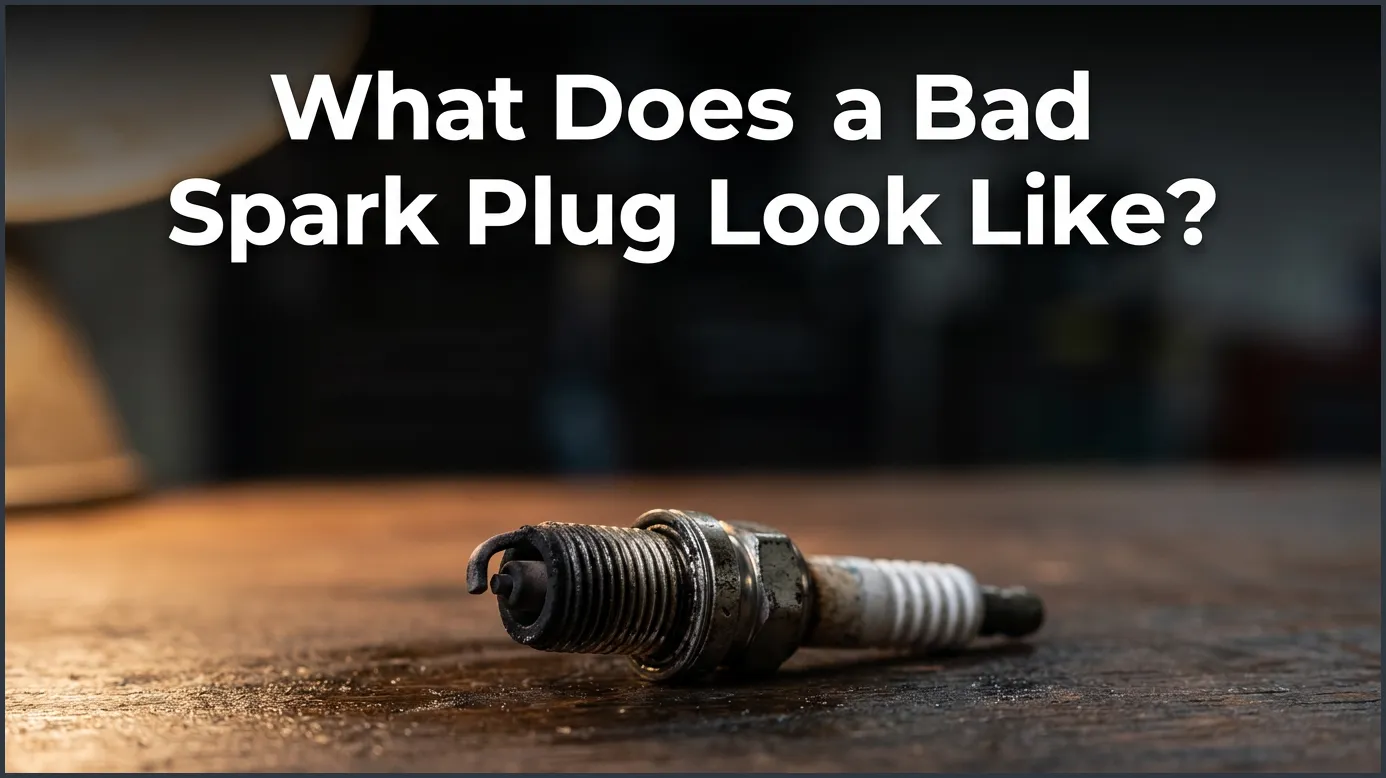
A bad spark plug typically shows clear signs of physical wear, such as a melted electrode, heavy black carbon deposits, oily residue, or a cracked ceramic casing. Recognizing these visual warnings early can save your engine from costly misfires and poor fuel economy. Inspecting your plugs regularly ensures your vehicle starts reliably and runs smoothly every day.
Imagine you are driving down the highway. Suddenly, your car starts to shake. You step on the gas pedal, but nothing happens. The engine feels tired. It feels weak. You might wonder what is wrong. Often, a tiny part is to blame. This part is the spark plug. It plays a massive role in your engine. But how do you know if it is bad? What does a bad spark plug look like, and how can you spot the warning signs before you get stranded on the side of the road?
In this guide, we will look at the visual clues of a worn-out spark plug. We will learn how to tell a healthy plug from a damaged one. We will also cover how these small parts affect your car’s daily performance. By the end, you will be able to inspect your own plugs with confidence. This simple skill can save you time, stress, and a lot of money at the mechanic shop.
Key Takeaways
- Carbon Fouling: A dry, black, soot-covered tip indicates your fuel mixture is too rich or the spark is weak.
- Oil Deposits: Wet, oily residue on the plug means engine oil is leaking into the combustion chamber.
- Physical Damage: Melted electrodes or cracked porcelain ceramic insulators require immediate replacement.
- Normal Wear: A healthy plug has a light tan or gray color with no signs of erosion.
- Engine Symptoms: Rough idling, hard starts, and poor acceleration often point to failing spark plugs.
📑 Table of Contents
The Anatomy of a Healthy Spark Plug
Before we ask, what does a bad spark plug look like?, we must know what a good one looks like. A healthy spark plug is clean. It has a light tan or gray color on the tip. There is no heavy dirt, oil, or soot on it. The metal parts are not worn down.
The Ceramic Insulator
The white ceramic part is the insulator. It should be clean and smooth. It should have no dark tracks or cracks. If you see brown stains near the metal base, do not worry. This is normal. It is just heat stain from normal engine use.
The Electrode and Gap
The tip of the plug has a small metal bar. This is the electrode. The spark jumps across the tiny gap at the end. In a healthy plug, the metal edges are sharp and square. They are not rounded or melted. The gap must be the exact size for your car. You can use a special tool to measure this gap to make sure it matches your car’s manual.
Common Visual Signs of a Failing Spark Plug
When a spark plug fails, it leaves clues. You can read these clues like a map. They tell you what is wrong inside your engine. Let us look at the most common visual signs.

What Does a Bad Spark Plug Look Like? — key points at a glance
Carbon Fouling
Carbon fouling is a very common issue. A carbon-fouled plug has a dry, black, soot-covered tip. This soot blocks the spark. It makes it hard for your car to start. Carbon fouling happens when there is too much fuel in the engine. It can also happen if you drive short trips often. The engine never gets hot enough to burn off the carbon. To learn more about this issue, you can read about the signs of bad fouled spark plugs and how they stop your engine from running smoothly.
Oil and Wet Deposits
If you pull out a plug and it is wet with black oil, you have a leak. This is called oil fouling. Oil should not be in this area. It gets there because of bad engine seals or worn piston rings. A wet spark plug cannot fire. If you see oil on the tip, you must fix the leak first. Simply putting in a new plug will not solve the problem. The new plug will get dirty fast too.
Ash Accumulation
Sometimes you will see a light, crusty buildup on the tip. This is ash. It comes from burning fuel additives or engine oil. This crust can fill the gap. When the gap is filled, the spark cannot jump. This leads to engine misfires and a lack of power when you drive.
Physical Damage and Extreme Wear
Physical damage is easy to see. If you find physical damage, you must replace the plug right away. Driving with a broken plug can ruin your whole engine.
Melted Electrodes
What does a bad spark plug look like when it gets too hot? The tip will look melted. The metal might look like it dripped. This happens when the engine runs too hot. It can also happen if you use the wrong type of plug for your vehicle. A melted plug will stop working completely. It can also cause severe engine damage. To help you diagnose these issues, you can learn how to read spark plugs to see if your engine is running too hot.
Cracked or Broken Ceramic
The white ceramic shell can crack. This happens from extreme heat or bad installation. A cracked shell allows the spark to escape. The spark will jump to the side instead of the tip. You will hear a clicking sound under the hood. You will also feel the engine shake. Never use a plug with a cracked ceramic shell.
How Your Car Behaves with Bad Plugs
You do not always have to pull the plugs to know there is a problem. Your car will tell you when something is wrong. Pay attention to how it drives.
Misfires and Rough Idling
When you sit at a red light, does your car shake? Does the engine make a rough, uneven sound? This is a rough idle. It often means your plugs are failing. When a plug fails to spark, the cylinder misfires. This causes the engine to lose its rhythm. You might wonder if you have a failing coil or a bad plug. Understanding the difference between bad spark plugs or bad ignition coils can help you pinpoint the exact cause of your engine shake.
High Fuel Consumption and Weak Starts
Are you spending more money at the gas pump? Bad plugs do not burn fuel well. Much of the fuel goes to waste. This lowers your fuel economy. You may also notice your car is hard to start. The starter might crank for a long time. If the plugs are dirty, they cannot make the spark needed to start the cold engine.
Step-by-Step Inspection Tips
Checking your plugs is a great weekend project. It is simple to do. You only need a few basic tools like a spark plug socket and a ratchet.
Safety First
Before you start, make sure the engine is completely cool. A hot engine can burn your hands. It can also damage the threads in the engine head if you remove the plugs while they are hot. Always wear safety glasses. Disconnect the battery for extra safety. Remove one wire or coil pack at a time. This keeps you from mixing up the wire order.
Reading the Spark Plug Gap
Once you remove a plug, look at the gap. Use a feeler gauge or a coin-style gap tool. Compare your reading to the car manual. If the gap is too wide, the plug is worn out. The metal has eroded over time. If you want to know more about the best time to check them, see this helpful guide on when to change spark plugs before they cause issues on the road. This will help you keep your engine in top shape.
When to Replace Your Spark Plugs
So, how long do these parts last? Most standard copper plugs last about 30,000 miles. High-quality iridium or platinum plugs can last up to 100,000 miles. However, you should inspect them sooner if you notice problems. If you see any of the visual signs we talked about, buy a new set. Always replace them as a complete set. Do not replace just one. Changing them all keeps your engine balanced and strong.
Conclusion
Now you know the answer to the question: What Does a Bad Spark Plug Look Like? You can spot oil, carbon, and physical damage easily. Taking care of your spark plugs is a simple way to keep your car running well. It saves you money on gas and repairs. Next time your car feels a bit slow or shakes at a stop light, do not worry. Grab your tools, pull a plug, and look at the tip. Your car will thank you for it!
Frequently Asked Questions
What color should a healthy spark plug be?
A healthy spark plug should have a light tan or gray color around the tip. There should be no signs of wet oil, heavy black soot, or melted metal.
Can I clean a bad spark plug instead of replacing it?
You can clean a carbon-fouled plug with a wire brush, but this is only a temporary fix. If the plug is worn, oily, or physically damaged, you must replace it with a new one.
What happens if I ignore a bad spark plug?
Ignoring a bad spark plug can lead to engine misfires, poor fuel economy, and hard starts. Over time, it can also damage your catalytic converter, which is very expensive to repair.
How do I know if my spark plug has a carbon buildup?
A carbon-fouled spark plug will have a dry, matte-black coating of soot over the tip and electrodes. This soot blocks the spark and causes the engine to idle roughly.
What does oil on a spark plug mean?
Oil on a spark plug means engine oil is leaking into the combustion chamber. This is usually caused by worn valve guide seals, bad piston rings, or a leaking valve cover gasket.
Should I replace all spark plugs at the same time?
Yes, you should always replace spark plugs as a complete set. This ensures all cylinders perform equally and keeps your engine running smoothly.
